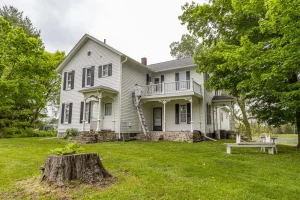
Don’t Let Your Paint Expire Before You Notice
Are you staring at peeling trim or faded siding and wondering if you waited too long?
Or maybe your walls still look okay, but you are unsure how much life your paint really has left?
In this post, you will learn exactly how often you should paint your house, including clear timelines for exterior siding, interior rooms, trim, and specialty surfaces.
By the end, you will know when to repaint, what signs to watch for, and how to protect your home before small paint problems turn into big repair bills.
If you would prefer the professionals handle your interior or exterior painting, call Tribble Painting Company or fill out our contact form and let us help you create a plan that keeps your home protected and looking sharp.
How Often Should You Paint Your House?
Quick Overview:
Here is a simple guide for most homes:
- Exterior: Every 5 to 10 years, depending on siding and exposure
- Interior walls: Every 2 to 8 years, depending on the room
- Trim and high-traffic areas: Every 2 to 4 years
- Fiber cement siding: Up to 10 to 15 years
- Painted brick: Up to 15 to 20 years
The real answer depends on your home’s exterior material, the quality of the previous paint job, your local climate, and how much wear and tear your house sees from daily living and the elements.
How Often Should You Paint the Exterior of Your House?
Your home’s exterior is your first line of defense against harsh winters, like the ones that roll through Ann Arbor and Novi, summer heat, sun damage, moisture, and high humidity, which is why choosing the best time to paint your house exterior matters.
An exterior paint job is not just about looks.
It protects wood, siding, and trim from cracks, rot, and mold.
If you wait too long to repaint, what could have been a simple paint job can turn into siding repair or full replacement.
Exterior Repaint Timeline by Siding Type
Different materials hold up differently.
Here is what most homes can expect:
- Wood siding: Every 3 to 7 years
- Aluminum siding: Every 5 to 10 years
- Stucco: Every 5 to 6 years
- Fiber cement siding: Every 10 to 15 years
- Painted brick: Every 15 to 20 years
For example, wood siding absorbs moisture and is more prone to cracks and peeling paint if not maintained.
Aluminum siding can fade over time, but it usually lasts longer between coats of paint.
Stucco can develop hairline cracks that allow moisture in if not sealed with quality paint.
Why Exterior Painting Is About Protection, Not Just Appearance
A fresh coat does more than improve curb appeal.
An exterior paint job helps:
- Seal joints and prevent water intrusion
- Protect against rot and mold
- Strengthen caulking around windows and doors
- Shield surfaces from sun damage and fading
- Extend the life of your home’s exterior
Regular maintenance protects your house from expensive structural repairs.
Signs It’s Time to Repaint the Exterior
Look for these clear signs that it may be time to paint:
- Peeling or flaking paint
- Cracks in siding or trim
- Faded color or chalky residue
- Bubbling or blistering
- Soft wood or visible rot
- Mold or mildew growth
If you notice peeling paint or cracked caulking, do not wait.
Repainting sooner can prevent moisture from getting behind the siding and causing more serious damage.
How Often Should You Paint the Interior of Your House?
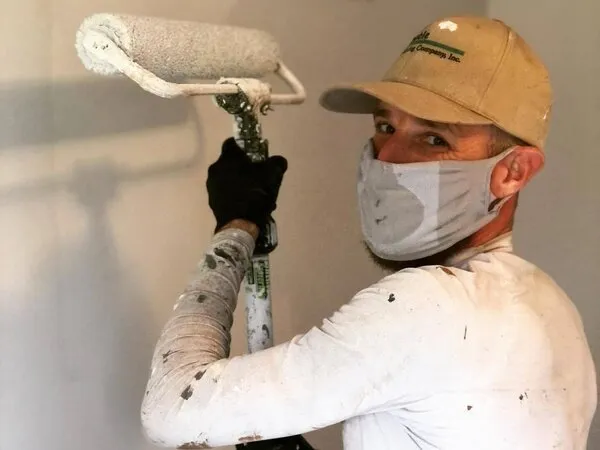
Your home interior faces a different kind of stress.
Instead of sun and rain, it deals with wear from daily living, cleaning, stains, and traffic.
Interior walls and trim experience wear and tear from hands, furniture, and movement through each room.
Interior Repaint Timeline by Room
Here is a practical breakdown:
- Living rooms and dining rooms: Every 5 to 7 years
- Adult bedroom or master bedroom: Every 5 to 8 years
- Kids bedroom: Every 2 to 4 years
- Hallway and stairwells: Every 2 to 3 years
- Kitchens: Every 3 to 4 years
- Bathrooms: Every 3 to 4 years
- Laundry rooms: Every 3 to 5 years
- Ceilings: About 10 years
- Trim and baseboards: Every 2 to 4 years
Kitchens and bathrooms often need to be painted more frequently due to moisture, mold, mildew, and stains.
High humidity shortens the life of interior paint.
Why High-Traffic Areas Need More Frequent Painting
Areas like the hallway, kitchen, and kids’ bedroom see the most wear.
Common issues include:
- Scuffs and stains on walls
- Oils from hands breaking down the coat
- Dull or faded finishes
- Cleaning that wears down flat finishes
Over time, even high-quality paint loses durability in busy spaces.
What Factors Change How Often You Should Paint?
Not every house follows the same schedule.
These factors can shorten or extend the life of your paint job.
Surface Preparation
The success of any paint job depends on prep, which is why understanding how to prep a house for painting
is so important.
Proper preparation includes:
- Scraping loose peeling paint
- Sanding rough surfaces
- Repairing cracks
- Applying fresh caulking
- Priming bare wood
- Replacing rotten wood
A rushed previous paint job without proper prep may only last a few years.
A well-prepped coat of paint can last much longer.
Paint Quality
Using high-quality paint from a reputable manufacturer such as Benjamin Moore or Sherwin-Williams makes a noticeable difference.
High-quality paint:
- Resists fading
- Provides better durability
- Is more resistant to mold and mildew
- Protects surfaces from moisture
- Extends the repaint cycle
Choosing quality over the cheapest option can add years of life to your home’s interior and exterior.
Climate and Environmental Exposure
Your local climate matters.
- Harsh winters cause expansion and cracks
- High humidity increases mold and mildew risk
- Intense light and sun exposure cause fading
- Heavy tree coverage can trap moisture
Most homes in Southeast Michigan, where freeze-thaw cycles hit hard every winter, need to repaint more often than homes in milder climates.
Previous Paint Job Quality
Shortcuts in a previous paint job can reduce durability.
Common issues include:
- Skipping primer
- Using low-quality paint
- Applying only one coat
- Poor surface cleaning
If your last repaint was done years ago without proper prep, you may need to paint sooner than expected.
When Should You Repaint Sooner Than the Standard Timeline?
Even if you are within the normal time frame, certain signs mean it is time to repaint.
Watch for:
- Water stains on interior walls
- Smoke damage
- Major remodeling
- Pest damage to wood
- Siding cracking at drip edges
- Visible rot or soft wood
For example, if you changed to a different color years ago and now notice peeling or cracks, it may be time for a fresh coat sooner than planned.
Do not wait if you see structural issues.
Once moisture gets behind siding, repair costs increase quickly!
How Exterior Painting Fits Into a Long-Term Maintenance Plan
Exterior painting is not just cosmetic.
It is part of regular maintenance for your whole house.
Preventative Maintenance Strategy
A smart plan includes:
- Inspect siding every 5 years
- Check caulking and trim annually
- Look for cracks or peeling
- Address small touch-ups immediately
- Monitor areas prone to mold or rot
Staying ahead of small problems protects the life of your wood siding and other surfaces.
What Does Professional Painting Include?
A professional paint job is more than applying a coat.
Exterior Painting Scope
A full exterior paint job typically includes:
- Power washing
- Scraping and sanding
- Repairing cracks
- Applying caulking
- Priming bare surfaces
- Replacing rotten wood
- Applying two coats of quality paint
- Final walkthrough and touch ups
Proper prep and multiple coats increase durability and long-term protection.
Interior Painting Scope
Interior projects usually include:
- Protecting floors and furniture
- Repairing minor wall damage
- Priming where needed
- Two coats on walls and ceilings
- Painting trim and doors
- Final inspection and touch-ups
A careful approach ensures smooth walls and long-lasting results.
What Does It Cost to Repaint Your House?
Costs vary based on size, condition, and complexity.
Interior Painting Investment Averages
- Average bedroom: $950 to $2,000
- 2,500 sq. ft. home interior: $15,000 to $20,000
- 4,500 sq. ft. home interior: $30,000 and up
Pricing depends on:
- Woodwork detail
- Surface condition
- Number of coats
- Repair needs
Exterior Painting Investment Averages
- 1,200 sq. ft. home: $8,000 to $12,000
- 2,500 sq. ft. home: $12,000 to $20,000
- 3,500 sq. ft. home: $15,000 to $25,000
- 4,500 plus sq. ft. home: $20,000 to $40,000 or more
Exterior costs increase when prep work is extensive, rot repair is needed, or architectural detail is high.
How a Structured Painting Process Protects Your Investment
Tribble Painting Company’s clear process improves quality and reduces surprises.
Typical Project Flow
- Initial contact and phone consultation
- On-site visit and written estimate
- Scheduling with a deposit
- Pre-job walkthrough
- Prep work stage
- Painting stage
- Post-job walkthrough and touch ups
- Follow-up check-in
This approach ensures:
- Proper prep
- Clear communication
- Defined timelines
- Consistent quality control
A structured process helps protect your investment and ensures your paint job lasts as long as possible.
Ready for a Fresh Coat? Contact Tribble Painting Company Today
Now you know how often to repaint your house, what signs to watch for, and how climate, prep work, and quality materials affect how long your paint lasts.
Instead of guessing or waiting for peeling paint and cracks to get worse, you can plan ahead and protect your home with confidence before another Michigan winter puts it to the test.
When it is time to refresh your home with exterior or interior painting, Tribble Painting Company can handle everything from careful prep to the final touch-ups.
If you are ready for a fresh coat that actually lasts, give our house painters a call or fill out the contact form, and let’s get started.