
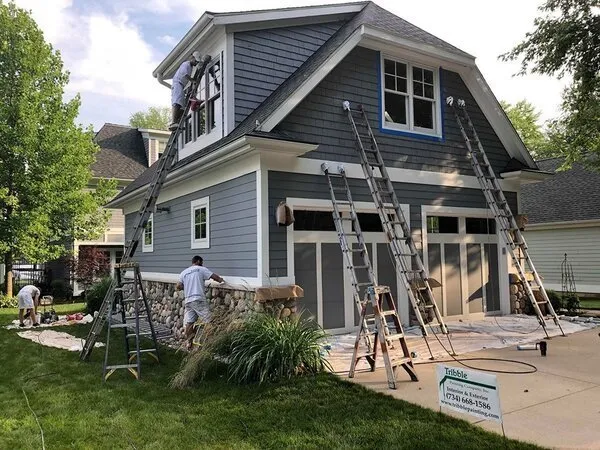
Perfect Timing, Lasting Results
Ever notice how some homes look freshly painted for years, while others start peeling way too soon?
Or how one exterior paint job survives Michigan weather just fine, while another fades or fails after a single season?
In this post, you’ll learn the best time to paint house exterior surfaces in Plymouth, MI, and the surrounding areas.
You’ll also learn how local weather directly affects paint performance, and what timing mistakes shorten the life of an exterior paint job.
We’ll break down temperatures, humidity, seasonal timing, and planning tips that actually matter.
By the end, you’ll know exactly when to schedule your next exterior painting project for longer-lasting results, better curb appeal, and fewer costly repaints.
And if you’d rather skip the guesswork altogether, call Tribble Painting Company or fill out the contact form.
We’re always happy to help you plan it right the first time.
The Best Time to Paint Your House Exterior
Understanding Weather Conditions
When considering an exterior paint job in Michigan, weather plays a pivotal role.
The local climate, marked by its varied seasons, directly impacts the outcome of your painting project.
As a professional painter, I can attest to how these elements influence the total cost and effectiveness of the job.
Let’s delve into how weather conditions influence the painting process:
Impact of Weather on Paint
In Michigan’s diverse climate, the weather significantly affects paint application and durability.
Extreme weather conditions can lead to suboptimal results, so homeowners should avoid painting during extreme temperatures or unstable weather.
Repainting your home’s exterior in these areas requires a keen understanding of how the local climate affects different types of paint, including acrylic paint, oil-based options, and other high-quality exterior paint designed for Michigan weather.
Ideal Temperature Range for Exterior Painting
The optimal temperature for applying exterior paint, especially latex paint, ranges from 50°F to about 95°F.
In areas like Plymouth, where temperatures can fluctuate, this is typically between May and October.
For homes with vinyl siding or wood siding, this temperature range is particularly crucial to ensure the first coat of paint adheres properly and provides the same coverage.
Dealing with Cold Weather Painting
While Michigan winters can be harsh, some modern paints allow application in temperatures as low as 30°F.
Just make sure the surface you’ll be painting meets the required temperature, not just the air temperature.
Any other products, such as exterior paint primer, also need to be rated for cold-weather use.
This flexibility can be particularly useful for homes in areas like Lake Pointe Village, where early or late seasonal painting might be necessary.
In such scenarios, more coats of paint might be required to achieve the same coverage.
Humidity’s Role in Exterior Painting
Humidity, a common feature in Plymouth, especially near waterfront areas like Park Lake, plays a significant role.
High humidity can extend drying times and affect paint adhesion.
Choosing a dry day, preferably with humidity below 70%, and checking the weather forecast ahead of time is ideal.
Seasonal Considerations
Understanding the pros and cons of painting in different seasons is crucial for residents of Michigan:
Painting in Different Seasons
Each season in Plymouth, from the leafy autumns of Bird Hills to the sunny summers of Beacon Hill, offers unique challenges and advantages for painting.
When you hire a painting contractor, they can provide an estimate that takes into account these seasonal variations.
Spring and Fall: The Optimal Seasons for Painting
Spring and early fall, with their moderate temperatures and lower humidity, are often the best times of the year to paint a house exterior.
Neighborhoods like Maple Grove can benefit greatly from painting during these seasons.
The average outdoor painting prices may also be more favorable during these times.
Summer Challenges: Heat and Humidity
The summer months can bring intense heat and high humidity, challenging for exterior painting.
Areas like Heather Hills may experience these conditions more acutely.
Winter Painting: Special Considerations
In colder months, while painting can be more challenging, advancements in paint technology allow for some flexibility.
This can be advantageous in areas like Pine Ridge, where scheduling a paint job might require winter timing.
When To Start Planning Your Exterior Painting
The best time to talk to a painting contractor about your home’s exterior is November through February.
Thinking ahead about the cost of exterior painting can also help you budget effectively.
The painting contractor will be less busy and should be able to pay better attention to you and your project.
Discussing your project early can also help in understanding the labor costs and the square footage that will be involved.
For instance, a three-story house in winter may require different prep work and materials compared to a two-story home.
We continually hear from clients in the summer who have the same story.
They say they’re unable to get some contractors even to call them back.
Avoid this by talking with your painting contractor when no one else is.

For the last 20 years at Tribble Painting, we have started the year busy. This means at least a month’s worth of exterior painting contracted with people from the previous fall and over the winter.
Factors Influencing Painting Times
Temperature and Its Effects
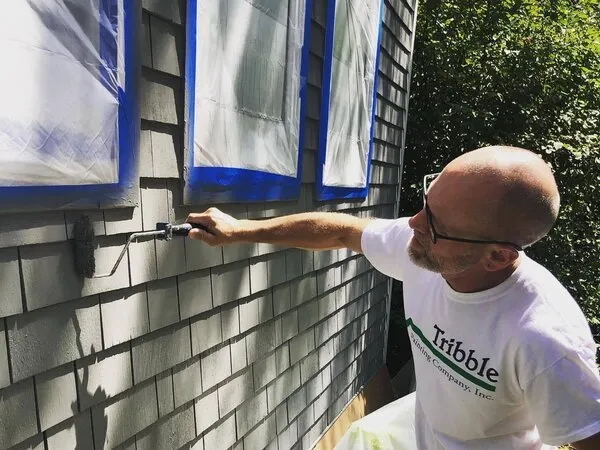
In Plymouth, MI, where temperatures vary from the lakeside breezes in Park Lake to the sheltered streets of Maple Grove, understanding the impact of temperature on exterior painting is crucial.
Excessive heat or cold can negatively affect the paint job on your house.
How Extreme Temperatures Affect Paint
Extreme temperatures can cause paint to either dry too quickly or not adhere well, especially when working with oil based paint.
In areas like Old Village, where older homes with wood siding are common, this is particularly important.
Optimal Temperature Windows for Different Paint Types
The best temperature range for exterior painting in Plymouth is between 50°F and 95°F.
This range ensures the paint adheres well and dries evenly, which is crucial for homes in varied neighborhoods like Beacon Hill and Heather Hills.
However, the absolute best temperature to paint the exterior of a home is 72 degrees Fahrenheit.
Humidity and Paint Drying
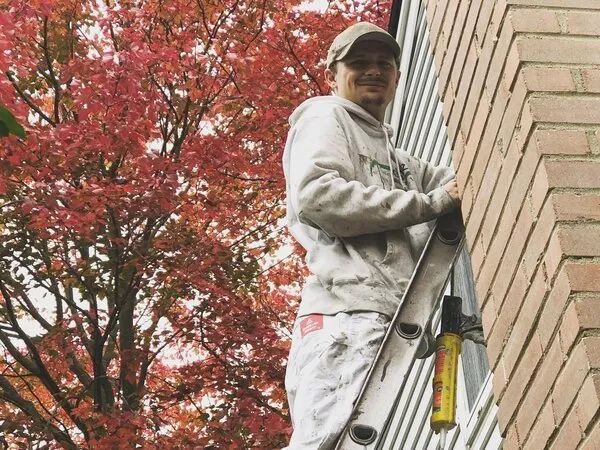
With Plymouth’s proximity to bodies of water like Park Lake, humidity becomes a significant factor in painting your home’s exterior.
How Humidity Influences Paint Application and Drying
High humidity can extend the drying time of paint, preventing it from setting properly before the paint dries completely.
Choosing a day with low humidity is key for areas near the water.
Techniques to Mitigate Humidity Impact
Techniques like starting early in the day and and painting in areas illuminated by sunlight can be beneficial to ensure the paint dries correctly.
Exterior Painting After Rain
How long to wait to paint after it rains is usually 4 hours or longer.
Four hours is with an ideal climate and direct sunlight.
It depends on if your house is in direct sunlight, if it’s windy, and what the humidity is.
It’s best to use a moisture meter before painting.
You can do prep work while waiting for your house exterior to dry.
This can include caulking, scraping, masking, wood repair, etc.
How Long Until Paint Is Rainproof

Generally, the longer you wait, the better.
Getting wet paint exposed to rain too soon can prevent it from curing properly and reduce long-term durability.
Rain can cause issues with the look of the paint when it does eventually dry (like in the above photo.)
Roughly speaking, your exterior paint should be able to handle some light rain within 2 hours.
After 4 hours it should be OK for rain.
It depends on the humidity, temperature, and color.
High humidity, low temperatures, and dark colors slow the drying process.
One of the biggest issues with exterior drying is the dew point.
This is the point at which moisture will show on the surface of the house.
You’ll want the outside temperature to be at least 5 degrees Fahrenheit above the dew point.
This way, you’ll avoid the wet surface.
Overall, the longer you wait the better.
It’s best to use a moisture meter before painting.
Wind and Environmental Factors
Plymouth’s weather can be breezy, especially in open areas like Lake Pointe Village.
The Impact of Wind on Painting Projects
Wind can cause issues like overspray, affecting not just the paint job but also surrounding areas.
It’s crucial to choose a calm day for painting, especially in wind-prone areas.
Tips for Painting in Windy Conditions
For those living in areas where wind might be more of an issue, setting up barriers or choosing less windy days can be crucial for a successful exterior paint job.
This section gives you insights into how different weather factors can affect your exterior painting project in Plymouth, MI.
Knowing these will help you plan better and ensure a smooth and successful paint job, enhancing the beauty and longevity of your home’s exterior.
Preparing for Exterior Painting
Surface Preparation
Proper preparation is key to a successful exterior painting project in Plymouth, MI.
Ensuring that the surface of your house is ready for a fresh coat of paint involves several steps:
Importance of Dry Surfaces Before Painting
Moisture is the enemy of a good paint job.
In areas near water bodies, it’s essential to ensure that the siding of your house is completely dry before beginning.
How to Ensure Surfaces are Ready for Paint
Prep work, like cleaning, scraping off old paint, and repairing any damage to bare wood, is crucial.
This is especially important in older Plymouth neighborhoods like Old Village, where houses may have more wear and tear.
Timing and Project Duration
The duration of an exterior painting project can vary greatly based on several factors:
Estimated Timeframes for Professional vs. DIY Painting
A professional painter should complete a job faster than a DIY approach.
For instance, a two-story home in Maple Grove could take professionals less time due to their expertise and equipment.
Factors Affecting the Duration of Painting Projects
The size of your house, the condition of the exterior walls, and the complexity of the project (like homes with intricate trim or multiple stories) will influence the time it takes to complete the painting.
Neighborhoods with larger homes may require more time due to increased square footage and detail work.
Proper preparation and understanding the time investment required are crucial for a successful exterior painting project in Plymouth, MI.
By focusing on these aspects, you can ensure a smooth and efficient painting process for your home’s exterior.
Interior Painting: Flexibility and Considerations

Year-Round Painting
Unlike the exterior, painting the interior of your Plymouth, MI, home offers more flexibility.
You can embark on this project at any time of the year, regardless of the neighborhood, be it the historic charm of Old Village or the modern layouts of Lake Pointe Village.
How Interior Painting Differs from Exterior
Interior painting isn’t as affected by weather conditions like exterior jobs.
Whether you’re refreshing a cozy living room in Maple Grove or a spacious kitchen in Beacon Hill, the controlled indoor environment ensures a smoother process.
Managing Humidity Indoors for Painting
Even in Michigan, with its varying climate, managing indoor humidity is essential for a quality paint job.
Using a dehumidifier can help, especially during more humid months, ensuring that the fresh coat of paint dries properly and adheres well to your home’s interior walls.
Health and Safety
Selecting the right paint is crucial for the health and safety of your family, especially when updating the interior of an older house.
Choosing the Right Paint: No-VOC and Low-VOC Options
Using no-VOC or low-VOC paints is a healthier choice.
These paints minimize the release of harmful chemicals, ensuring a safer environment.
Safety Precautions During Interior Painting
Taking safety precautions, like ensuring proper ventilation and wearing protective gear, is essential.
This is especially important when repainting spaces with existing lead paint, commonly found in older Plymouth homes.
Interior painting in Plymouth, MI, offers flexibility and convenience, allowing you to transform your home’s interior at any time.
With the right preparation and paint selection, you can ensure a successful, safe, and healthy transformation of your living space.
Unlock Your Home’s Potential with Tribble Painting Company

You now know how timing, temperature, humidity, and seasonal conditions all work together to determine whether an exterior paint job lasts for years or fails far too soon.
With the right timing, you get stronger adhesion, better coverage, longer lasting color, and fewer repaint headaches.
When it’s time to put that knowledge into action, Tribble Painting Company’s house painters handle everything from planning around Michigan weather to expert prep and professional application so your home gets painted at the right time, the right way.
Call or fill out the contact form to get your exterior painting project on the schedule with confidence.


